

We sat down with a product leader who has shipped wagering platforms from whiteboard to launch to talk about what actually matters when players scan live casino game shows online. His name is David Belovitch, and he has spent years aligning stakeholders and shipping agile builds, so he knows when a feature is real and when it is just noise. We asked him to walk through the interface and localisation details that separate a smooth session from a frustrating one, especially for players down under who want clarity on currency and support. The conversation stayed practical, focused on how a site presents itself before a single bet is placed.
What Players Should Weigh First
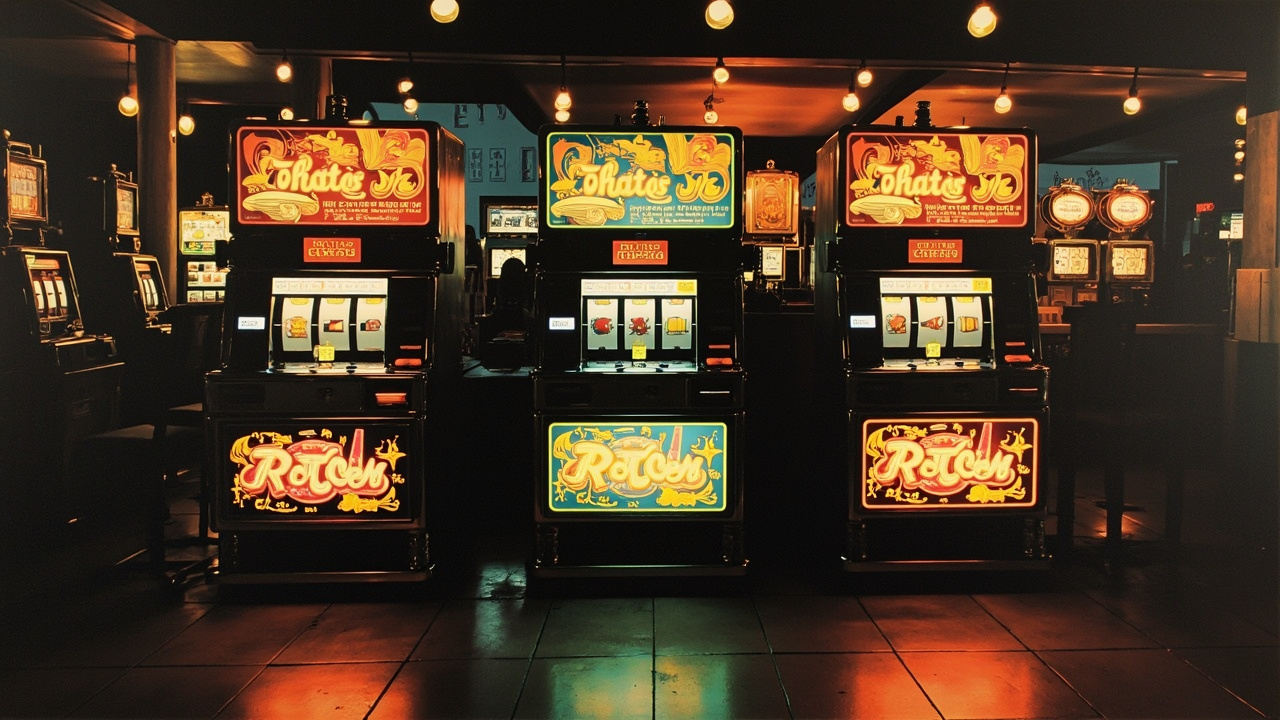
When you open a live casino platform, the first thing you notice is the visual identity and how the navigation is structured. A cluttered lobby with too many banners can obscure the actual game tiles, making it hard to find a specific show or provider. Good design keeps the search function prominent and the categories logical, so you are not clicking through endless sub-menus just to find a roulette variant or a game show hosted by a familiar presenter. Currency display is another early signal; seeing Australian dollars upfront removes the mental maths that comes with foreign denominations. Language localisation matters too, because instructions and chat prompts need to feel natural rather than translated word-for-word.
For players who value an organised interface, streamlined layouts often make it easier to locate table limits and live dealer schedules without distraction. If you are looking for a platform that prioritises clean navigation from the moment you log in, you can explore the curated features at https://bonusrocketplay.org/ using rocket play casino no deposit codes. A well-structured lobby ultimately enhances the viewing experience, letting you jump straight into the action rather than scrolling through promotional clutter.
We asked David how he judges these elements when he is moving from requirements to delivery. He said he looks for consistency in the visual hierarchy, noting that a well-built interface treats every game tile the same way so players know exactly what to expect before they click. He also pointed out that localisation is not just about language but about how the platform handles local expectations, such as displaying odds and limits in a format that feels familiar to an Australian audience. If the navigation feels intuitive and the currency is clear, you can spend more time on the game itself rather than figuring out the menu.
| Feature | Detail |
|---|---|
| Positioning | Live game shows and table titles hosted by presenters |
| Providers | Multiple live studios with rotating game show formats |
| Bonus Mechanics | Clear terms on wagering and game restrictions |
| Payments | AUD currency display with local deposit methods |
| Registration | Standard identity checks before play |
| Mobile | Responsive layout for browser play |
| Support | Live chat and help centre for account queries |
| Loyalty | Points or tier system tied to live play activity |
How Interface and Localisation Shape the Session
Navigation and Visual Clarity
A clean lobby structure helps players move between live game shows without losing their place. When the navigation is organised by provider or game type, you can filter quickly and see what is actually live rather than scrolling through static thumbnails. Visual identity should be consistent across the platform, with clear labels on bet limits, round times, and any bonus eligibility attached to a specific show. If the search function works well, you can type in a presenter name or game title and land on the right stream without guessing. We asked David about this part of the build, and he said that from a product standpoint, the goal is to reduce friction so the player spends time watching the action instead of hunting for the right tile.
He compared it to a previous delivery where the team had to align stakeholders on a new lobby layout, and the winning argument was always about reducing clicks. If a player has to click more than twice to reach a live stream, the design is probably asking too much. Good localisation also shows up in the small details, like how the interface handles time zones for live rounds or how it presents round history in a way that is easy to read on a phone screen. When the structure is tight, the whole session feels less like work and more like watching a show with a betting element attached.
Currency, Language, and Everyday Usability
Currency display is one of the first things a local player checks, because seeing your own dollar on the screen makes the bet sizes feel more concrete. If a platform shows foreign denominations, you are constantly converting in your head, which adds friction to every decision. Language localisation goes beyond just translating the menu; it includes how the chat prompts, help text, and bonus terms are written so they make sense to an Australian audience. Support access should be visible without digging through footer links, because if something goes wrong during a live round, you want a quick way to reach someone.
David mentioned that when he is reviewing a build before production, he checks whether the currency and language settings persist correctly across sessions, because nothing breaks trust faster than a player seeing a different format after logging back in. He also noted that mobile usability is not just about the screen fitting nicely; it is about whether the bet sliders, chat panel, and game controls still work smoothly when you are playing on a phone in the arvo after work. If the interface holds up on mobile and the currency stays consistent, the platform is doing the basics right.
Linking Focus to Player Needs
The reason interface and localisation matter so much is that they shape how a player experiences live casino game shows online from the first click. If the lobby is clear, the currency is local, and the navigation is logical, you can focus on the show itself rather than fighting the platform. That is the difference between a site that feels built for the audience and one that feels like it was dropped in from somewhere else. Players should weigh these usability signals before they worry about bonus mechanics or loyalty tiers, because a smooth interface is what makes the session enjoyable in the first place.
David’s view was that a product only works if the everyday usability holds up under real conditions, not just in a demo. He said that when stakeholders push for more features, the job is to protect the core experience so the player is not overwhelmed by clutter. That means keeping the search sharp, the currency clear, and the support easy to reach, which is exactly what a local player should look for before committing time to a platform. When those basics are in place, the rest of the experience has a chance to land properly.
If you are comparing options and want to see how a platform handles the early steps, it helps to check how the registration and bonus terms are presented alongside the live lobby. You can read more about current offers and sign-up details at rocket play casino no deposit codes, where the bonus information is laid out alongside the game access so you can see what applies before you register. That kind of layout makes it easier to understand what is available without hunting through separate pages.
For players wondering how local regulatory history shapes the broader landscape, it is worth remembering that Tasmania narrowly voted in favour of legalising a casino, paving the way for Wrest Point in the early 1970s. That kind of local context matters because it shows how casino access has evolved in this part of the world, even if online play sits under a different set of rules. On the international side, South Korea’s Paradise City is an integrated resort near Incheon, which is a reminder that live entertainment and gaming can sit inside much larger hospitality complexes overseas. Neither of those examples changes how an Australian player should judge a live platform, but they do show why interface and localisation are the right things to focus on first.
The best approach is to treat the interface as the first filter, because a clear lobby, local currency, and sensible navigation will tell you a lot before you place a single bet. If those pieces are solid, the live show itself has a much better chance of feeling like what it is meant to be: a hosted game with a betting element, not a puzzle you have to solve just to get in.
